How Much Should You Budget for Archery Accessories as a Beginner?
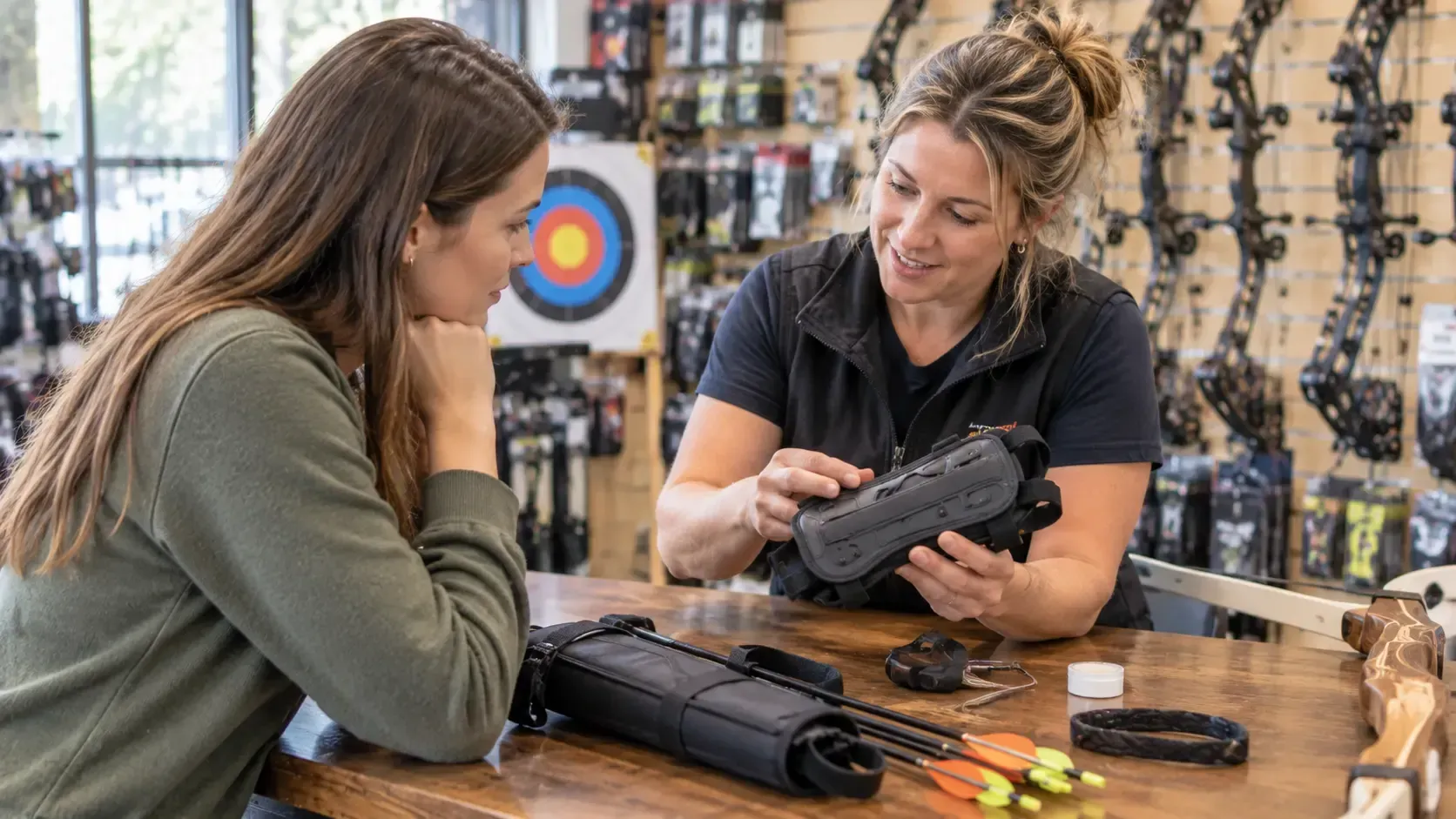
Table of Contents
- What Drives Archery Equipment Cost
- Essential Archery Gear for Beginners
- Accessories You Can Add Later
- Building a Realistic Budget
- Common Misunderstandings
- What Typical Online Advice Overlooks
- A Realistic Scenario
- Risks, Limitations, and Trade-Offs
- Conclusion
- Frequently Asked Questions
Key Takeaways
- Beginner archery accessories fall into two groups: essentials you need from day one, and extras that are better added once your form is consistent.
- Archery equipment cost depends on bow type, whether you rent or buy, and how many accessories you add at once, so there is no single fixed number for every beginner.
- Buying only the essentials at first, then upgrading as you learn, usually gives better value than buying a full kit before you know your preferences.
- Shared equipment for a family or a workplace needs planning for different draw weights and arrow lengths, which affects the realistic budget.
- A local shop can give a written estimate based on your bow, draw weight, and goals, which is more reliable than a generic online price list.
Introduction
Budgeting for beginner archery accessories starts with separating what you truly need to shoot safely from what can wait until your technique develops. Essentials typically include an arm guard, finger protection, a quiver, and basic maintenance tools, while sights, stabilizers, and advanced releases are worth adding later. This distinction matters because archery equipment cost can grow quickly if you buy everything at once before knowing what actually suits your shooting style. If you want to see what a full range of gear looks like in person, the bow and accessories carried at Southern Oregon Archery on Pine St in Central Point is a useful starting point for comparing options.
This guide does not list fixed dollar figures, since prices vary by brand, bow type, and retailer and change over time. Instead, it explains what shapes the cost, which gear beginners genuinely need first, and how homeowners and business owners can plan a sensible budget for one person or a shared setup.
What Drives Archery Equipment Cost
Direct Answer: Archery equipment cost is shaped mainly by bow type, whether gear is rented or purchased, brand and material quality, and how many accessories are bought at the start.
Bow Type
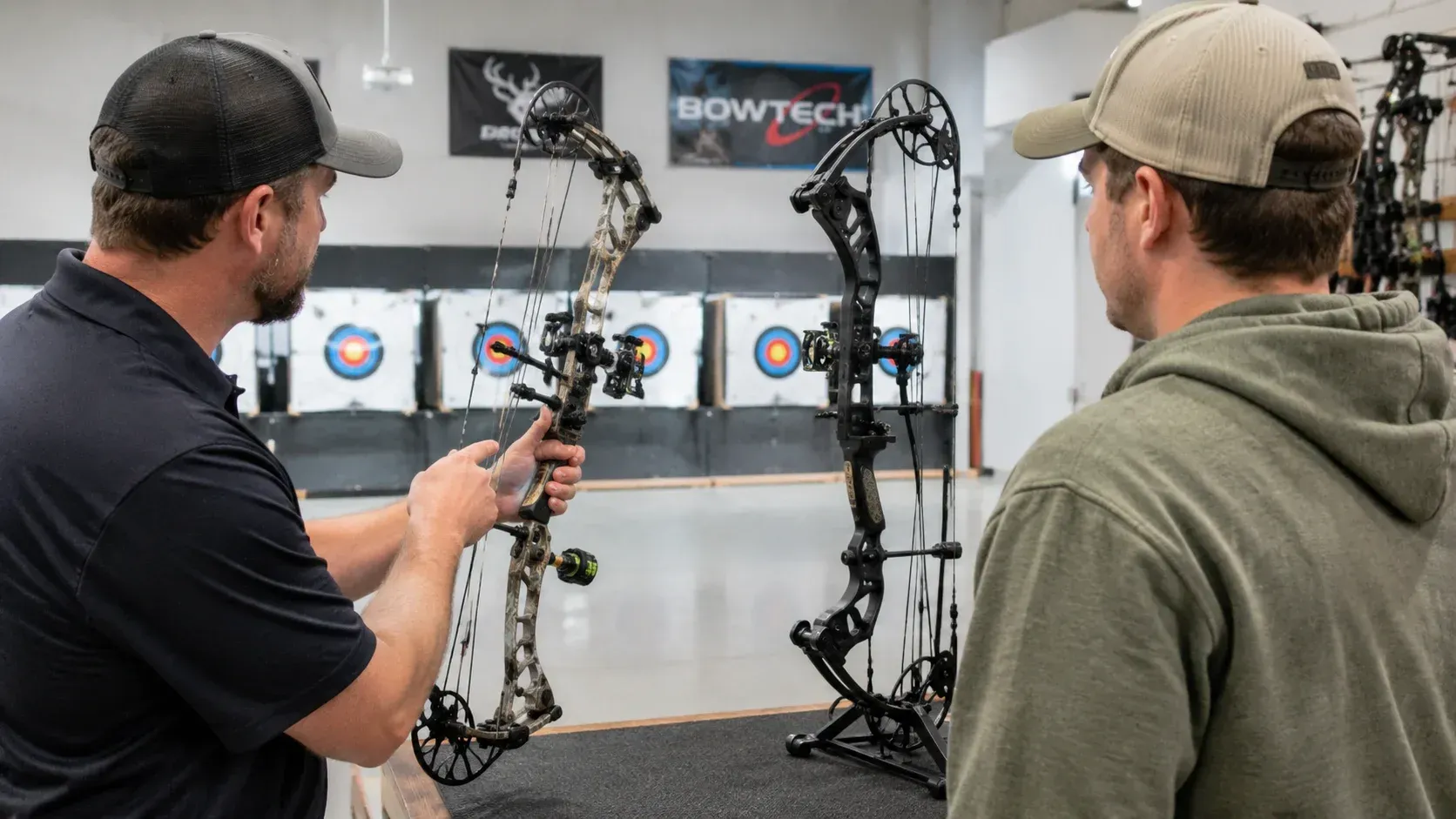
Recurve bows and compound bows differ in parts and complexity, which affects the accessories each one needs. A recurve setup is often simpler to start with, while a compound bow typically involves more adjustable parts such as a sight, rest, and release aid.
Rent First, Buy Later
Many beginners rent a bow and basic gear for their first few sessions. Renting delays the larger cost of a full purchase until you know your draw length, preferred bow type, and whether you want to continue.
Material and Build Quality
Entry-level gear is generally built to handle regular beginner use, while premium materials and finishes add cost without necessarily changing your early results. Beginners rarely need top-tier components before their form is established.
Number of Accessories Bought at Once
Buying a full kit on day one costs more upfront than buying essentials first and adding items gradually. Since preferences often change once you have some experience, a staged approach can reduce wasted spending.
Essential Archery Gear for Beginners
Direct Answer: The core items a beginner needs are an arm guard, finger protection, a quiver, arrows matched to the bow, and basic maintenance supplies such as string wax.
Arm Guard
An arm guard protects your forearm from string slap, which is common while your form is still developing. It is inexpensive relative to other gear and is considered a basic safety item.
Finger Protection
A tab or glove protects your fingers from the string's pressure during the draw and release. This is one of the first things new archers should have, since repeated shooting without it can cause discomfort or minor injury.
Quiver
A quiver holds your arrows for quick access and keeps them from being damaged on the ground. Hip quivers and back quivers are both common for beginners, and the choice often comes down to personal comfort.
Matched Arrows
Arrows need to match your bow's draw weight and your draw length. This is not an optional accessory but a core safety requirement, since mismatched arrows can be unsafe to shoot and will fly inconsistently regardless of skill.
String Wax and Basic Tools
A small amount of string wax and a basic stringer, for recurve bows, help maintain your equipment between shop visits. Learning simple care early protects your investment in the bow itself.
Accessories You Can Add Later
Direct Answer: Sights, stabilizers, releases, and specialized rests are worth adding once your basic form is steady, rather than purchasing them before you know your shooting style.
Sights
A sight helps with aiming consistency once your form is reliable. Beginners often shoot instinctively at first, so a sight becomes more valuable as you progress to more precise aiming.
Stabilizers
Stabilizers reduce vibration and help balance the bow, which matters more for archers refining accuracy at known distances than for someone still learning basic shot execution.
Mechanical Releases
A release aid is mainly used with compound bows and changes how the string is let go. New compound shooters sometimes start with a finger release before moving to a mechanical one as they settle on a style.
Arrow Rests
Upgraded rests can improve consistency, but a standard rest is usually adequate for learning. This is a common area where beginners overspend before they can feel the difference.
Building a Realistic Budget
Direct Answer: A realistic budget accounts for essentials first, a plan for arrows and maintenance, and a decision about renting versus buying, rather than a single lump sum for "getting started."
Start With a Written Estimate
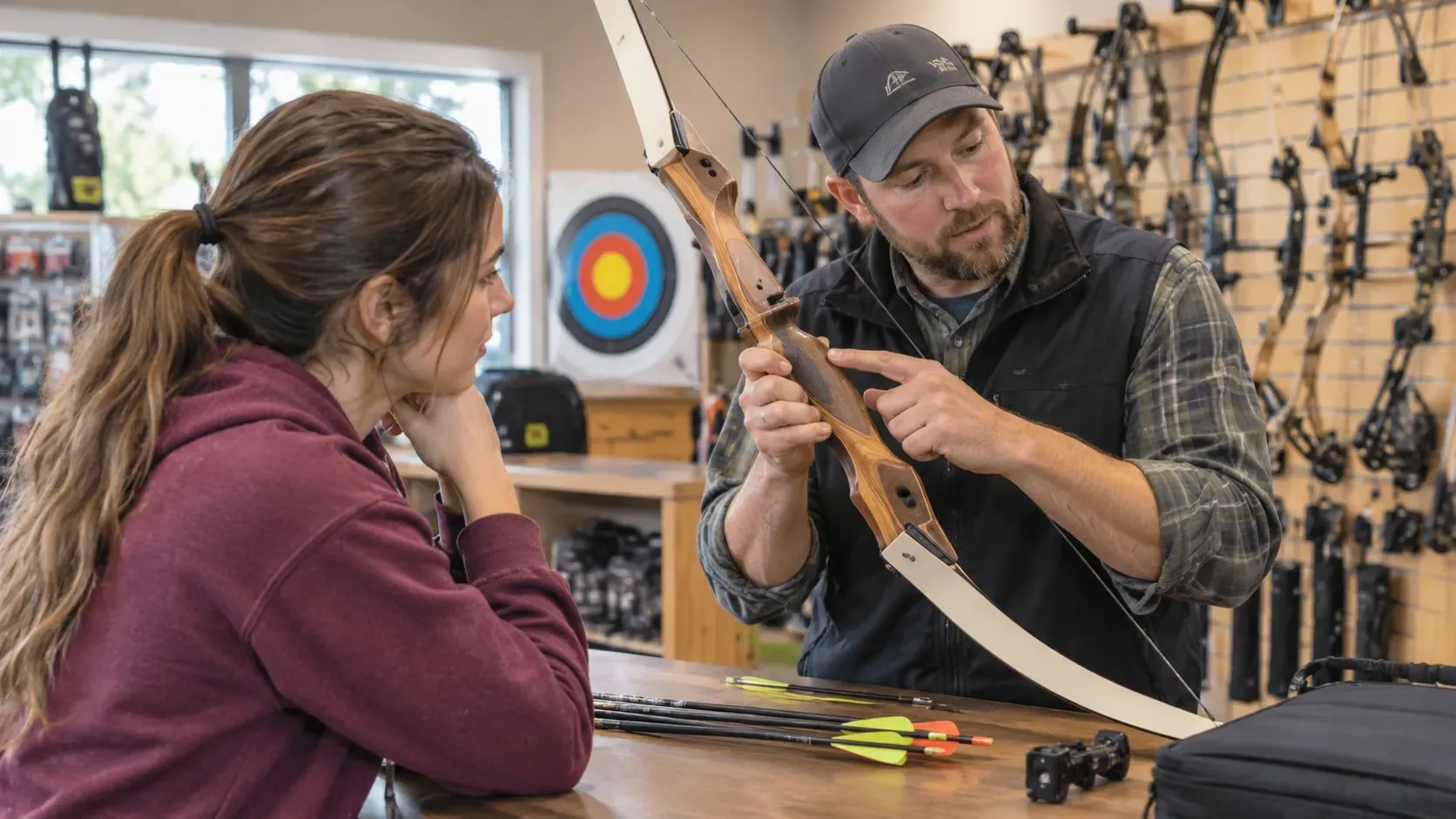
Ask a local shop for an itemized estimate that lists the bow, essential accessories, and arrows separately. This makes it easier to see where your money goes and to compare renting against buying.
Budget for Ongoing Costs, Not Just the Starting Kit
Strings need replacing, arrows can be damaged, and fletching wears over time. Planning a small ongoing budget for upkeep is more realistic than assuming a one-time purchase will last indefinitely.
Decide Between One Setup or Several
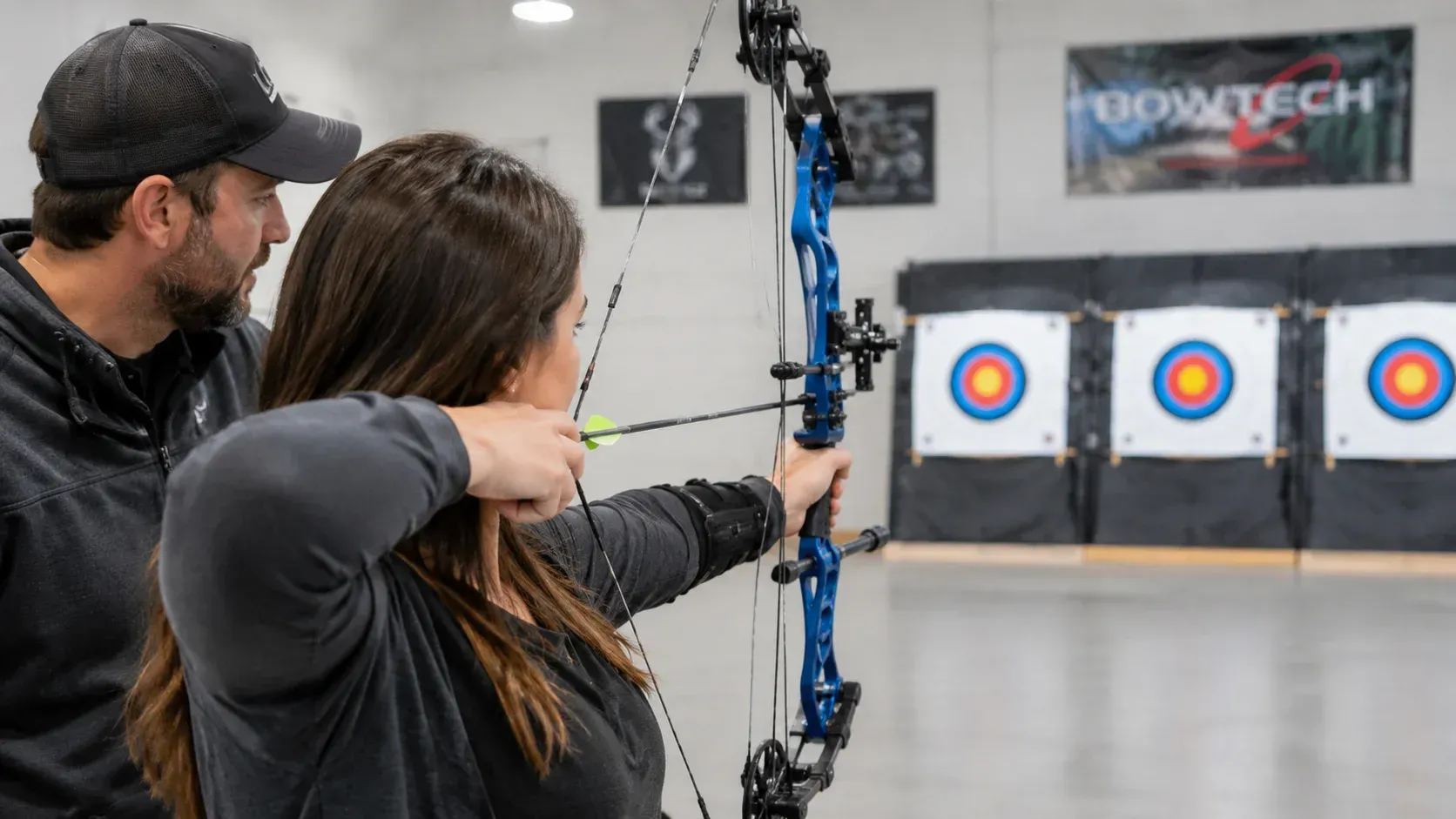
If you are a homeowner buying for yourself, one setup is enough. If you are a business owner planning a team activity, or a parent outfitting a family, you may need several draw weights and arrow lengths, which changes the total significantly. A session with lessons and range time can help confirm what each participant actually needs before you buy.
Consider Bow Type Early
If you are drawn to recurve shooting, exploring recurve bows can help you understand the accessory list for that style before committing to a budget, since recurve and compound setups do not need identical gear.
Common Misunderstandings
Common belief: You need a full accessory kit before your first lesson. What is actually true: Most programs provide or rent equipment for beginners, so you can wait to buy until you know your preferences. Why it matters: Early purchases sometimes go unused once you discover your actual style and fit.
Common belief: More expensive gear automatically improves your shooting. What is actually true: Entry-level gear is generally sufficient while your form is developing, and premium components mainly help once your technique is consistent. Why it matters: Overspending early does not speed up learning.
Common belief: One set of accessories works for an entire family or team. What is actually true: Draw weight and arrow length vary by person, so shared equipment often needs more than one configuration. Why it matters: Planning for this upfront avoids frustration during group activities.
What Typical Online Advice Overlooks
Arrows Are Often Underestimated
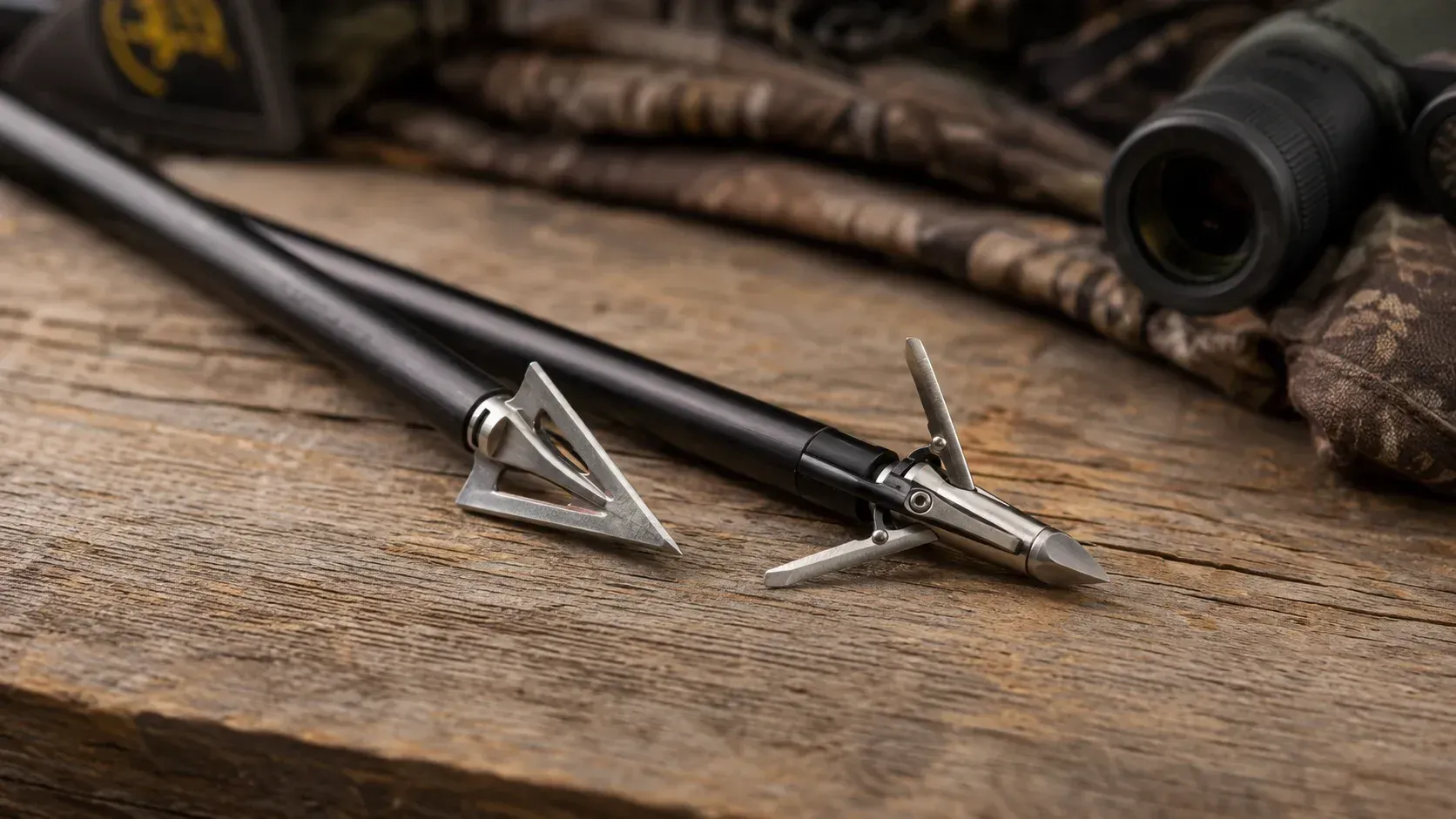
Many beginner guides focus on bows and ignore those arrows are a recurring cost, since they can break or bend with regular practice. Budgeting only for the initial set overlooks ongoing replacement.
Maintenance Has a Cost Too
Waxing strings, occasional restringing, and small adjustments are easy to forget when estimating a budget. These are small individual costs that add up over a season of regular shooting.
Shared Equipment Needs More Planning Than Expected
Articles aimed at individual beginners rarely address what happens when several people share gear. A business hosting a team event, or a household with multiple shooters, should plan for variation in draw weight and size rather than assuming one setup fits everyone.
Fit Affects Value
Gear that does not fit your draw length or grip can feel like a poor investment even if it was inexpensive. Spending a little more time on fitting, rather than focusing only on price, often leads to better long-term value.
A Realistic Scenario
Consider a hypothetical homeowner who buys a complete accessory kit online before trying a lesson, including a sight and stabilizer they do not yet know how to use. After a first lesson, they learn their draw length is different than assumed and their arrows are the wrong length.
They return the mismatched items and instead buy only the essentials, renting a sight and stabilizer during later range sessions until they are ready to invest in that gear. The total spent ends up similar, but the order of purchases reduces wasted items and frustration. This is an illustrative example, not a documented case, and results vary by person and provider policies.
Risks, Limitations, and Trade-Offs
This guide describes general spending patterns, not fixed prices, since archery equipment cost varies by brand, retailer, and location and changes over time. Buying a full kit upfront can be convenient for some beginners who are confident in their commitment, but it carries more risk of mismatched or unused gear. Renting reduces upfront cost but may cost more over time if you shoot frequently for years. Group or family budgets depend heavily on how many people will use the equipment and how different their sizes and preferences are, which a general guide cannot fully predict.
Conclusion
Budgeting for beginner archery accessories works best when you separate true essentials, such as an arm guard, finger protection, a quiver, and matched arrows, from extras like sights and stabilizers that are better added once your form is steady. Archery equipment cost depends on bow type, whether you rent or buy, and how many people need gear, so a written, itemized estimate from a local shop is more useful than a generic online number. Planning for ongoing costs like arrows and string maintenance, not just the starting kit, gives a more realistic picture of what to expect.
Get a Clear Accessory Estimate in Central Point, OR
If you want a realistic idea of what to budget, it helps to talk through your goals, bow type, and whether you are buying for yourself or a group. Southern Oregon Archery's shop on Pine St in Central Point can walk you through essential gear first and explain what can wait until later.
If you have questions about your specific situation, feel free to
contact us and we can help you figure out where to start.
Frequently Asked Questions
What archery accessories does a beginner need first?
An arm guard, finger protection, a quiver, and arrows matched to your bow and draw length are the core essentials. Sights and stabilizers can wait until your form is more consistent.
Should I rent or buy accessories as a beginner?
Renting is often a practical way to start, since it lets you try different gear before committing to a purchase. Buying may make more sense once you know your preferences and plan to continue.
Does a compound bow cost more in accessories than a recurve bow?
It can, since compound bows often involve more adjustable parts such as a rest, sight, and release aid. Recurve setups are often simpler for a first purchase.
How do I budget for a family or team?
Plan for different draw weights and arrow lengths per person rather than assuming one setup fits everyone. A shop can help outline options for shared or group use.
Are ongoing costs significant after the initial purchase?
Arrows, string wax, and occasional restringing add up over time. Planning a small ongoing budget is more realistic than expecting a one-time purchase to cover everything indefinitely.
Recent Posts