How Do You Know If Your Bowstring Needs to Be Replaced?
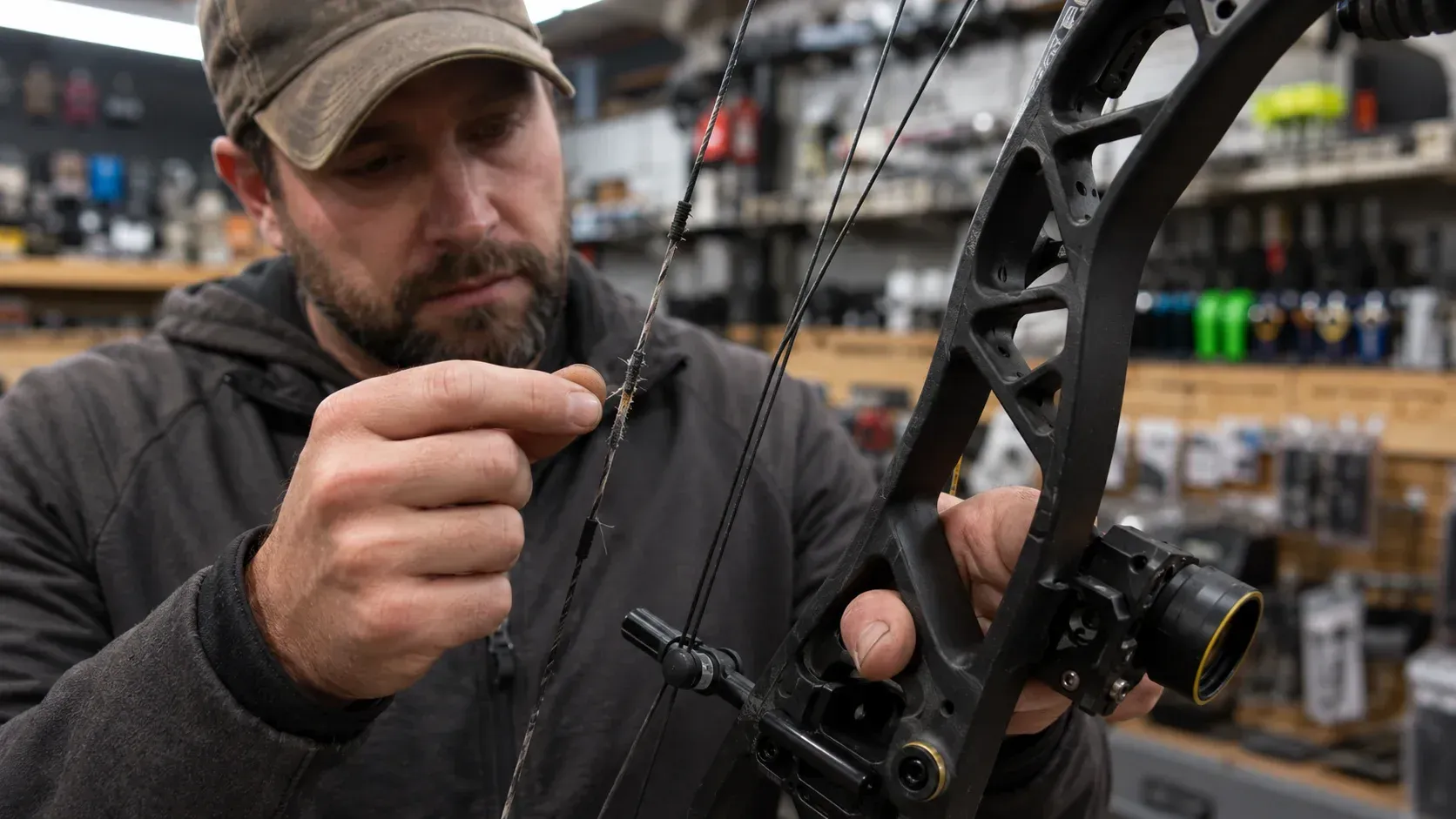
Table of Contents
- Direct Answer: Signs Your Bowstring Needs Replacing
- Why Bowstring Condition Matters
- The Seven Warning Signs to Check
- How Often Should You Replace a Bowstring
- Decision Framework: Replace, Wax, or Wait
- Conclusion
- Frequently Asked Questions
Key Takeaways
- A bowstring typically shows visible wear such as fraying, fuzzing, or serving separation before it fails completely, and catching these signs early prevents dry firing and equipment damage.
- Draw length and poundage can shift as a string stretches or a cable creeps, which is often the real reason a bow "feels off" even when nothing looks broken.
- Most recreational bowstrings last one to three years depending on shooting frequency, storage conditions, and material, while heavy use can shorten that window considerably.
- Waxing extends string life but does not reverse structural damage. Once strands are cut or the serving has unwound past the core, waxing will not restore integrity.
- A professional inspection during a paper tune or timing adjustment can catch string problems before they cause a missed shot, a damaged arrow, or a dry-fire injury.
Introduction
A bowstring needs replacing when you notice fraying strands, fuzzing along the string body, separated or unwinding serving, visible stretching that has changed your draw length, or a change in arrow speed and accuracy that doesn't match a change in your form. Any one of these signs on their own may not mean immediate failure, but two or more together usually mean the string has moved past its useful life and should be replaced before your next range session. Getting this diagnosis right matters because a failed bowstring during a draw can damage a bow's limbs, snap cables, or cause a dry fire, which is one of the more preventable ways archers get hurt or wreck expensive equipment. If you're in the Central Point area and want a second opinion, Southern Oregon Archery's pro shop includes string inspection as part of a standard tune-up, so a trained set of eyes can confirm what you're seeing before you decide.
This article walks through the specific signs that indicate string wear, explains why those signs happen mechanically, and gives you a practical framework for deciding whether to wax, monitor, or replace. It also covers how often strings typically need replacing based on real shooting patterns, not just a generic calendar rule, and points out a few things that generic "restring your bow" articles tend to skip.
Why Bowstring Condition Matters
A bowstring is not a static piece of equipment. Every shot cycles it through extreme tension, and modern strings made of materials like Dyneema, Vectran, or blended fibers are engineered to hold up under that repeated load, but they are not immune to it. Over time, ultraviolet exposure, moisture, dirt, and friction between strands cause the material to break down at a microscopic level long before the damage becomes visible to the eye.
This matters for three practical reasons. First, a degraded string changes how energy transfers from the limbs to the arrow, which affects speed and consistency even when the archer's form hasn't changed. Second, a compromised string is a safety issue, because a full or partial break under draw tension can send cables and cams moving in unpredictable ways. Third, string condition directly affects tuning. A stretched string alters brace height and timing, which is why a shop performing a paper tune or timing adjustment will almost always check the string and serving first, since retuning around a bad string is a temporary fix at best.
The Seven Warning Signs to Check
1. Fraying or Broken Strands
Direct Answer: Visible frayed or broken strands anywhere on the string or cables mean the string should be replaced immediately, not monitored.
Each strand in a bowstring carries a portion of the total load. When one strand breaks, the remaining strands absorb more tension than they were designed to carry alone, which accelerates failure of the whole string. Run your fingers lightly along the string length (with the bow at rest, not drawn) and look for any strand that sticks out, appears cut, or looks noticeably thinner than the rest.
2. Fuzzing Along the String Body
Direct Answer: Light fuzzing is common and often cosmetic, but heavy or spreading fuzz indicates the outer fibers are wearing away and the string's working life is limited.
A small amount of fuzz, especially near contact points like the cams or cable guard, is normal wear and doesn't require immediate action. The distinction that matters is whether the fuzz is isolated and stable or spreading and getting worse between range sessions. If it's spreading, the string is losing material faster than normal use would explain.
3. Serving Separation or Unwinding
Direct Answer: If the serving (the wrapped thread that protects the string at contact points) is separated, unwound, or has visible gaps exposing the core strands, the string needs professional attention or replacement.
Serving exists specifically to protect the load-bearing core strands from abrasion at the nocking point, cams, and peep sight. Once serving fails, the core strands underneath are exposed directly to friction they weren't designed to withstand, and damage accelerates quickly from that point forward.
4. Visible Stretching or Change in Brace Height
Direct Answer: A string that has stretched beyond its original specification will lower your brace height, which changes how the bow feels and shoots even if nothing appears physically damaged.
This is one of the harder signs to self-diagnose because it doesn't look broken. Brace height is measured from the string to the deepest part of the grip, and manufacturers specify a target range for each bow model. A shop with a bow press and proper measuring tools can check this precisely; a home measurement with a ruler is a reasonable starting point but not a substitute for a professional check.
5. Peep Sight Rotation
Direct Answer: A peep sight that rotates out of alignment more frequently than it used to is often a sign of string twist loss or serving wear around the peep location, not a peep sight problem itself.
Archers sometimes chase this issue by adjusting the peep repeatedly without realizing the string itself has changed. If you find yourself re-tying or re-serving the peep area more than once every few months, that's a signal worth investigating with a full string inspection rather than treating it as an isolated fix.
6. Timing or Cam Lean Issues on Compound Bows
Direct Answer: If a compound bow's cams begin to lean or the draw cycle feels different, string or cable stretch is a common underlying cause that a timing adjustment alone won't permanently fix.
Compound bows rely on synchronized cam rotation, and cables that stretch unevenly throw that synchronization off. This is one of the reasons a "timing adjustment" service and a "string and cable install" service are often billed separately: sometimes the fix is a re-time, and sometimes the string itself has reached the end of its usable stretch and needs replacing before timing will hold. A shop offering lessons and range services can also help confirm whether an accuracy issue is coming from the string or from form, since both are easier to diagnose on a supervised range.
7. Noticeable Drop in Arrow Speed or Consistency
Direct Answer: A measurable drop in arrow speed, or a pattern of inconsistent groupings that isn't explained by a change in your shooting form, can indicate string stretch or fiber degradation reducing energy transfer.
This sign is the least specific on its own, since form changes, fatigue, and weather can also affect consistency. It becomes meaningful when it appears alongside one or more of the physical signs above, at which point string condition becomes the more likely explanation.
How Often Should You Replace a Bowstring
Direct Answer: Most recreational archers should plan to replace a bowstring every one to three years, while archers who shoot several times a week, hunt frequently, or store their bow in fluctuating temperatures and humidity should expect the shorter end of that range or even more frequent replacement.
There isn't a single universal number because string lifespan depends on several variables working together:
- Shooting frequency. A string shot daily wears differently than one shot a few times a month.
- Material quality. Higher-grade fiber blends generally resist creep and abrasion better than older or lower-cost materials, but they still wear out.
- Storage conditions. Heat, direct sunlight, and humidity swings degrade string material faster than climate-controlled storage.
- Maintenance habits. Regular waxing reduces friction between strands and slows fiber breakdown, but it cannot compensate for a bow stored in a hot garage or truck bed for months at a time.
- Bow type and draw weight. Higher draw weights place more load on the string per shot cycle, which can shorten its practical lifespan compared to a lower poundage setup.
Because of this variability, a calendar reminder is a reasonable starting point, but a physical inspection is the more reliable method. Many archers combine both: replace on a rough schedule and inspect at every string wax or tune-up in between.
Decision Framework: Replace, Wax, or Wait
Use this framework when you're unsure which category your string falls into.
| Factor | Wax and Monitor | Replace Soon | Replace Immediately |
|---|---|---|---|
| Fraying | None visible | Isolated, minor | Any broken strand present |
| Fuzzing | Light, stable | Spreading | Heavy, exposing core |
| Serving | Intact, tight | Slight gap forming | Unwound or separated |
| Brace height | Within spec | Slightly low | Well outside manufacturer spec |
| Peep rotation | Rare, stable | Occurring monthly | Occurring almost every session |
| Arrow speed/grouping | No noticeable change | Minor, unexplained drop | Significant, consistent drop |
How to use this table: If most of your observations fall in the left column, waxing and continued monitoring is reasonable. If you have two or more items in the middle column, schedule a professional inspection soon rather than waiting for the next scheduled visit. Any single item in the right column is a reason to stop shooting the bow with that string and have it addressed before your next range session.
This framework is a starting point, not a substitute for a hands-on inspection. A shop technician checking the string on a bow press can see and measure things that aren't visible or measurable by eye alone, particularly brace height and even strand tension across the string.
Conclusion
A bowstring rarely fails without warning. Fraying, fuzzing, serving separation, stretching, peep rotation, timing drift, and changes in speed or grouping are the signals that, individually or in combination, indicate a string has reached the point where replacement is the safer and more sensible choice. Waxing extends usable life and is worth doing regularly, but it cannot substitute for replacement once structural wear has set in. Because some wear, like internal fiber fatigue or a subtle brace height shift, isn't always visible to the naked eye, pairing your own visual checks with a periodic professional inspection is the most reliable way to catch problems before they become a failure at full draw.
Get Your Bowstring Checked in Central Point, OR
If you've noticed any of the signs covered in this article, a hands-on inspection is the most reliable next step. Southern Oregon Archery's pro shop in Central Point offers string and cable inspection as part of standard tune-up and timing services, along with on-site restringing for most brands. If you're located outside Central Point, check the
service areas to see whether your city is covered before making the trip. Stop by or
call to ask what a technician would look for on your specific bow before your next range or hunting season.
Frequently Asked Questions
How much does it cost to replace a bowstring?
Cost varies by bow type, string material, and whether cables also need replacing. Many shops price string and cable installation separately from the string material itself, so ask for an itemized estimate that includes any needed re-timing or re-tuning.
Can I replace a bowstring myself at home?
Recurve bows are generally more manageable for an experienced archer to restring at home. Compound bows require a bow press to safely relieve limb tension, and attempting this without one risks limb damage or personal injury.
Does waxing a bowstring prevent it from ever needing replacement?
No. Waxing reduces friction and slows moisture absorption, extending usable life, but it cannot repair broken strands, restore stretched material, or fix separated serving. It's preventive maintenance, not a repair method.
How do I know if it's the string or just my bow that needs tuning?
A change in accuracy alone doesn't confirm the cause. If accuracy issues appear alongside visible string wear, peep rotation, or a change in brace height, string condition is a likely contributing factor worth checking before assuming it's purely a form or sight issue.
Is it dangerous to keep shooting a worn bowstring?
A string with broken strands, heavy fuzzing exposing the core, or unwound serving carries a real risk of failure under draw tension, which can damage the bow or cause injury. Any of those specific signs warrants stopping use until the string is inspected or replaced.
Recent Posts